
Match the container to the material
Household contents, renovation debris and dense material can require different arrangements. List the main waste types and identify anything uncertain before loading. A container’s apparent space does not establish its permitted weight, and a general cleanup description is not approval for hazardous or restricted material.
Choose a size for the job, not a photograph
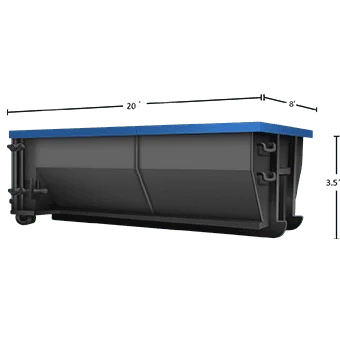
Ask which container sizes are offered and describe bulky items, the expected project sequence and available space. The supplier should explain the proposed container’s dimensions and loading conditions. If the waste estimate changes, discuss another container or an exchange rather than filling above the agreed limit.
Review delivery space and the receiving surface
Describe the approach, overhead obstacles, turning area and intended position. A truck requires working space beyond the container’s footprint. Confirm property permission and any relevant public-space requirements separately. Discuss surface suitability and protection; no rental page can guarantee that a particular surface will be unaffected.
Compare the full quotation
Ask what the hire period, delivery, pickup, permitted material and included weight cover. Identify potential charges for extra time, excess weight, unacceptable contents or an unsuccessful collection visit without relying on a generic online price. The written quotation should describe the actual project arrangement.
Keep collection possible
Keep the container within the agreed loading conditions and the collection route clear. Contact the rental team when it is ready or when the project requires an extension. Do not move the container yourself or assume it will be collected just because the work has finished.
Questions before you book
Can I mix every material in the same dumpster?
No. Tell the provider what you intend to dispose of and obtain the applicable acceptance instructions. Restricted, hazardous or unusually heavy material needs specific review before loading.